
Private universities in Dakar: our selection
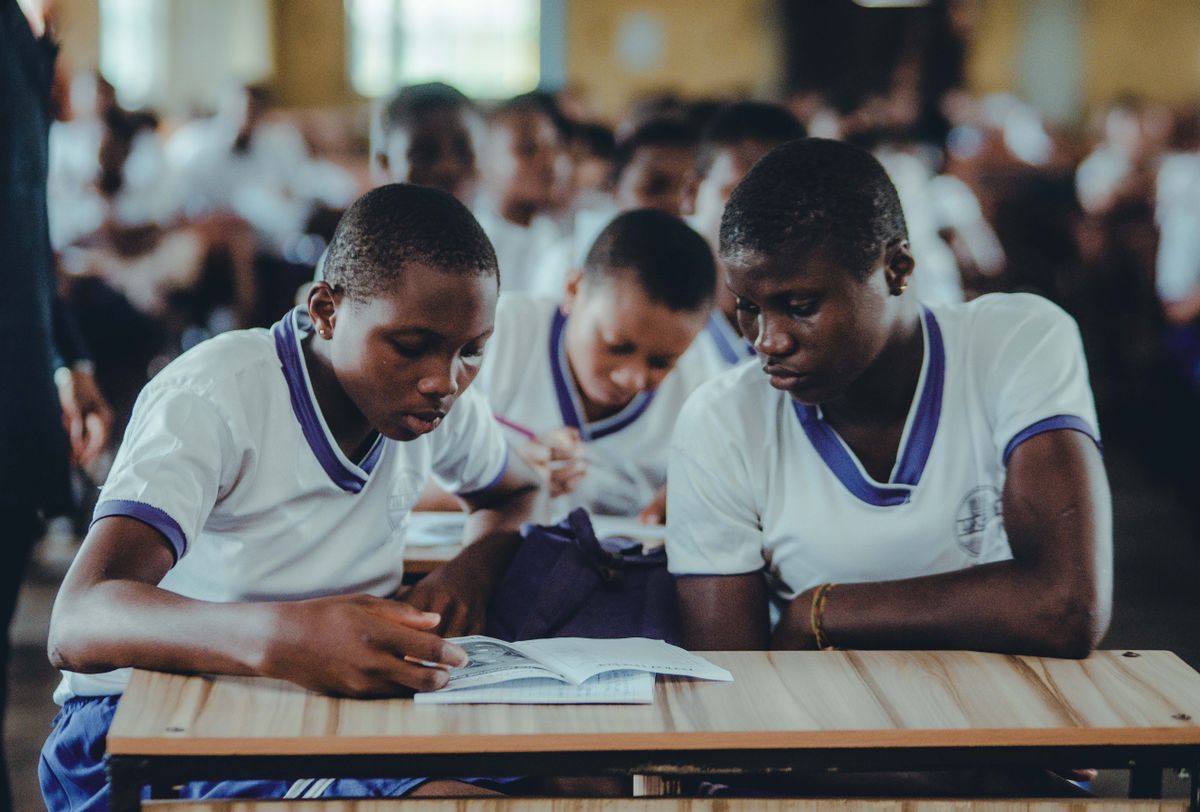
Programmes, tuition ranges, admission files, degree recognition and campus life: a practical guide to choosing a private university or institute in Dakar with confidence.
Private universities in Dakar: our selection
Every year between July and October, families in Dakar and across the diaspora start hunting for the right higher education institution. From Plateau and Point E to Mermoz, the Almadies and now Diamniadio, private campuses have multiplied, and quality varies a lot. Here is how to compare programmes, tuition, admission, degree recognition and campus life before you commit. You can also browse the education providers listed in Dakar to widen your shortlist.
Pick the programme before the school
The classic mistake is enrolling somewhere because a relative studied there. Start with the field of study, then check which institution genuinely delivers it.
- Business, finance, marketing, HR: the most crowded segment in Dakar, usually a bachelor followed by a professional master.
- IT, data, networks, cybersecurity: strong demand, but judge the labs and the graduate employment record, not the brochure.
- Health and paramedical: nursing, midwifery, medical biology. These fields are tightly regulated and require specific approvals.
- Law, political science, international relations: look for practising professionals in the teaching team.
- Architecture, civil engineering, agronomy: access to studios, site visits and experimental plots makes the real difference.
Ask for the full course map, the annual teaching hours and the list of compulsory internships.
Tuition: realistic ranges
In Dakar, annual tuition at a private institution usually falls between 450,000 and 1,500,000 FCFA at bachelor level, and rises further for some masters, dual degrees or health programmes. Application and registration fees generally sit somewhere between 25,000 and 100,000 FCFA, and are rarely refundable.
Budget for the extras:
- Daily transport: a commute from Parcelles Assainies or Yoff to Plateau costs more in time than in money at rush hour.
- Housing: a shared room in Liberté 6, Sacré-Cœur or Ouakam can weigh as much as the tuition itself.
- Equipment: laptop, software licences, internship clothing, printed course packs.
Always get the instalment schedule in writing. Paying in three or four instalments changes everything for a household, especially when the new term lands alongside other school expenses.
Admission: file and timing
Applications often open as early as March, and the best seats are taken before baccalaureate results are published. Plan ahead.
- School transcripts for the final two years, plus the baccalaureate certificate or attestation.
- Birth certificate, ID or passport copy, passport photos.
- Motivation letter, sometimes a written test and an oral interview.
- Diaspora and regional applicants: request degree equivalence early and start the student visa process well in advance.
One practical tip: visit the campus on a normal teaching day rather than an open day. You will see the real class sizes, the internet connection and the state of the library.
Degree recognition and red flags
This part is non negotiable. An unrecognised degree can block a public sector competitive exam, further study abroad or a job at a large employer.
- Ask to see the operating authorisation and the accreditation of the specific programme issued by the Senegalese authorities.
- Check accreditation by the national quality assurance body for higher education.
- Be wary of promised foreign dual degrees with no written partnership agreement you can read.
- Walk away if the school refuses to hand over a signed academic and financial contract.
- A campus that relocates every year, with no permanent classrooms or laboratory, is a warning sign.
Recommended addresses on SeneFinder
- Coordination UAM : Dakar
- UCAO ISG Saint Michel : Dakar
- UCAO ISAE-Thies : Dakar
- Notre Dame Du Cap-Vert : Dakar
- Universite Cheikh Anta Diop (UCAD) : Dakar
- Middle School University Architecture De Dakar : Dakar
- Université Kocc Barma : Dakar
- Université Catholique De L' Afrique De L' Ouest ( UCAO ) : Dakar Plateau
To compare more institutions, see all addresses in this category or explore the Dakar directory.
Useful tools
- Route planner: test the home to campus commute before term starts, especially from Pikine, Guédiawaye or Keur Massar.
- FCFA currency converter: useful for diaspora families budgeting in euros or dollars.
- Practical guide: emergency numbers 17, 18 and 1515, transport and arrival essentials.
- Read next: our overview of the best private universities in Dakar and our guide to business schools in Dakar.
Frequently asked questions
How do I check that a private degree is recognised in Senegal?
Ask for the institution's operating authorisation and the accreditation covering the exact programme you want. Accreditation by the national quality assurance body is the strongest signal.
What annual budget should I plan for a private bachelor in Dakar?
Tuition usually runs between 450,000 and 1,500,000 FCFA per year, excluding housing, transport and equipment. Always request the instalment schedule in writing before enrolling.
When should I submit my application?
Applications often open in March and seats fill up before baccalaureate results are out. International students should start even earlier because of degree equivalence and visa processing.